Winter Skin Management
Winter conditions often lead to reduced humidity, colder temperatures, and indoor heating, contributing to skin dryness and barrier disruption. Gentle cleansing, enhanced moisturization, and humidity control support skin hydration and resilience.
Table of Contents
Environmental Impact
How winter conditions affect your skin barrier and hydration levels
Hydration & Barrier Support
Strategies to maintain moisture and protect your skin's natural defenses
Lifestyle Integration
Holistic approaches combining nutrition, routine, and environment
Practical Guide
Actionable steps for daily winter skincare routines
Common Misconceptions
Debunking winter skincare myths and misunderstandings
FAQs
Answers to frequently asked questions about winter skin care
Environmental Impact on Skin
Understanding how winter conditions challenge your skin's natural balance
Definition
Winter skin challenges arise from low humidity, cold air, and heated indoor environments that reduce natural moisture levels in the stratum corneum.
Mechanism
Cold air holds less moisture, while indoor heating further dries the atmosphere, increasing transepidermal water loss (TEWL). Wind and temperature fluctuations can impair lipid barrier integrity.
Evidence
Public summaries from NIH and dermatology reviews note increased dryness reports in colder seasons, with humidity below 30% correlating to higher TEWL.


Hydration and Barrier Support
Replenishing moisture and reinforcing your skin's protective layer
Barrier Protection
Ceramide-rich products and occlusive agents form a protective seal to prevent moisture loss and support intercellular lipids during winter months.
Humectant Strategies
Ingredients like hyaluronic acid and glycerin attract water to the skin's surface, countering environmental dehydration effectively.
Gentle Cleansing
Mild, non-stripping cleansers preserve natural oils while effectively removing impurities without compromising the skin barrier.
Practical Winter Skin Guide
Actionable steps for maintaining healthy skin throughout the cold season
Humidity Control
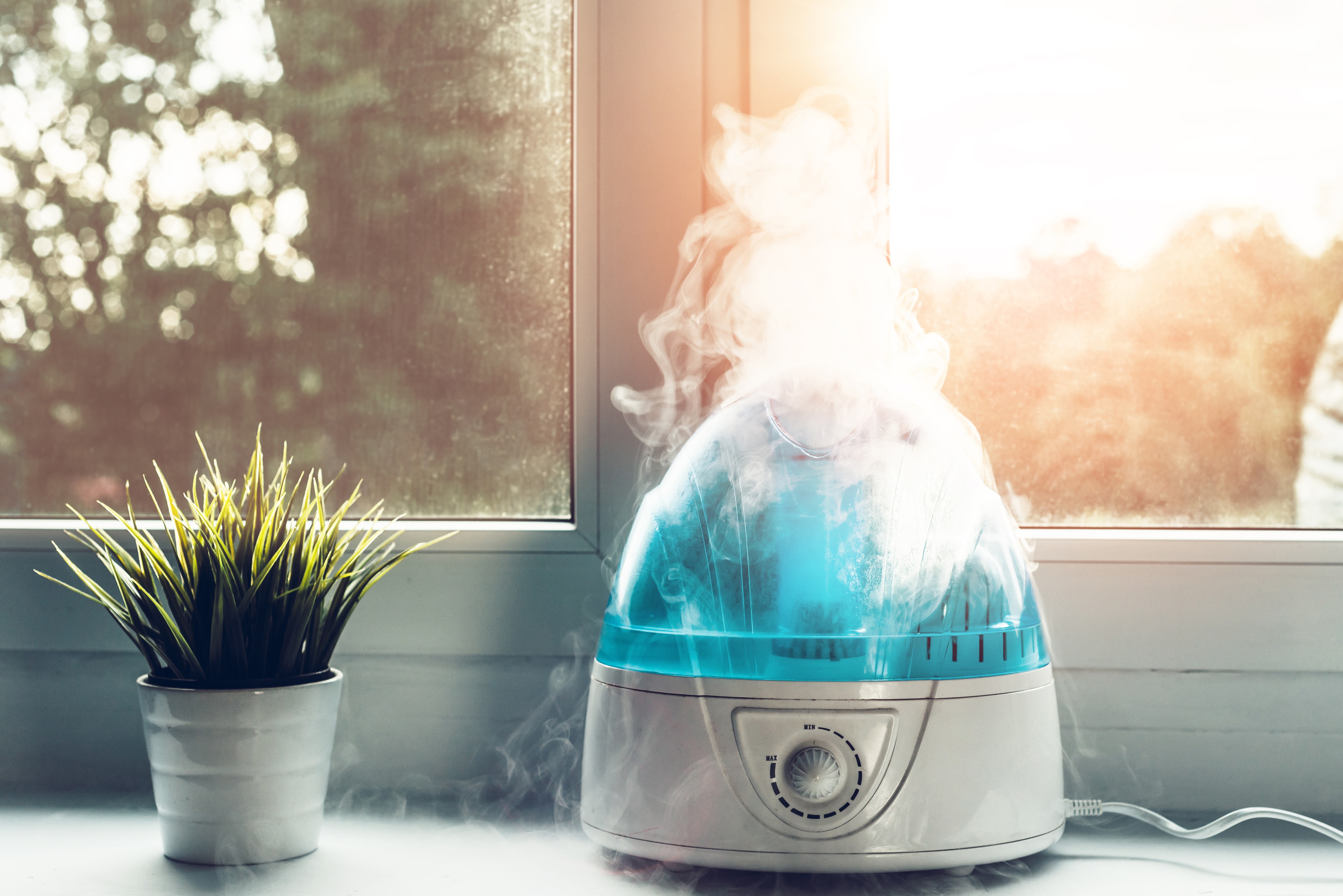
Use humidifiers to maintain 40-60% indoor humidity. Place them in bedrooms and living areas for optimal effect.
Gentle Cleansing
Switch to cream or oil-based cleansers. Limit washing to twice daily with lukewarm water instead of hot.
Moisturize Strategically
Apply moisturizer within 3 minutes of bathing. Layer hydrating serums under richer creams for maximum effect.
Protective Measures
Wear scarves and hats outdoors. Use SPF daily as snow reflects UV rays. Protect hands with gloves.
Nutrition & Hydration
Increase water intake. Consume omega-rich foods (salmon, walnuts) and antioxidants (berries, leafy greens).
Routine Adjustment
Reduce exfoliation frequency. Incorporate overnight treatments. Adapt products to your skin's changing needs.
Common Misconceptions
Debunking winter skincare myths with evidence-based information
Hot Showers Hydrate
While hot showers feel comforting, they actually strip natural oils from the skin, increasing dryness. Lukewarm water is more protective.
Oily Skin Doesn't Need Moisture
All skin types experience dehydration in winter. Oily skin can still be dehydrated and benefits from lightweight, non-comedogenic moisturizers.
Indoor Heating Is Harmless
Heated indoor air can have humidity levels as low as 10-20%, significantly contributing to moisture loss and skin dehydration.
Frequently Asked Questions
Adjustments for winter skin vary by individual environment and habits. While everyone can benefit from some seasonal adaptations, those with specific skin conditions should tailor approaches to their needs.
Yes, publicly accessible NIH and PubMed resources discuss environmental effects on skin hydration. Clinical studies show that humidity levels below 30% significantly increase transepidermal water loss (TEWL).
General risks involve minor irritation from new products or habits. Over-cleansing or using products that are too rich for your skin type can cause issues. Always patch test new products and introduce changes gradually.
Incorporate gentle cleansing, immediate moisturizing after bathing, humidity support with humidifiers, and protective clothing outdoors. Start with one or two changes and gradually build a comprehensive routine.
Individuals with persistent skin conditions, severe dryness, or health concerns should consult qualified dermatologists or skincare professionals for personalized advice.
Winter environmental factors challenge skin hydration through reduced humidity and temperature shifts. Supportive mechanisms via gentle care, nutrition, and environmental adjustments foster resilience and comfort. Balanced, evidence-informed habits offer practical pathways for seasonal skin management that respects both traditional wisdom and contemporary understanding.
References & Further Reading
NIH Research Summaries
General research on environmental effects on skin barrier function and seasonal adaptations.
NLM/PubMed Abstracts
Publicly accessible studies on seasonal skin dryness, hydration strategies, and barrier protection.
CDC Resources
Public educational materials on hydration, wellness, and environmental health considerations.
Dermatology Reviews
Clinical overviews of winter skincare approaches and evidence-based recommendations.
Important Disclaimer
This content is for general informational purposes only and does not constitute medical advice, diagnosis, or treatment. Individual responses to skincare approaches vary based on skin type, health conditions, and environmental factors. Always patch test new products and consult qualified medical professionals for personalized advice, especially if you have existing skin conditions or health concerns.